
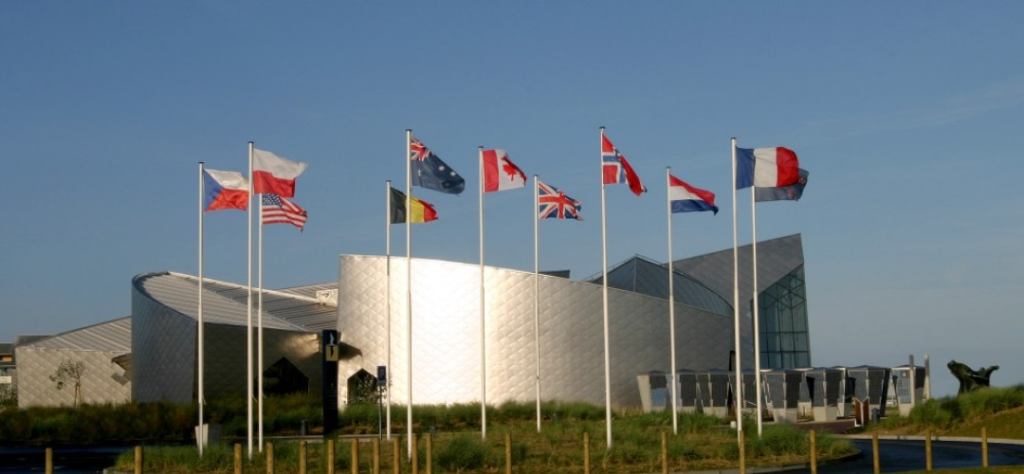
Juno Beach Centre, Normandy The Juno Beach Centre in Normandy stands as a profound testament to Canadian courage during D-Day, where 14,000 Canadians stormed ashore on June 6, 1944. This modern interpretive centre, built on the very sand where young Canadians fought for freedom, offers visitors an immersive journey through Canada’s military and civilian war efforts. Walking the preserved German bunkers and beach defenses while learning the personal stories of those who served creates an emotional connection that transcends time.
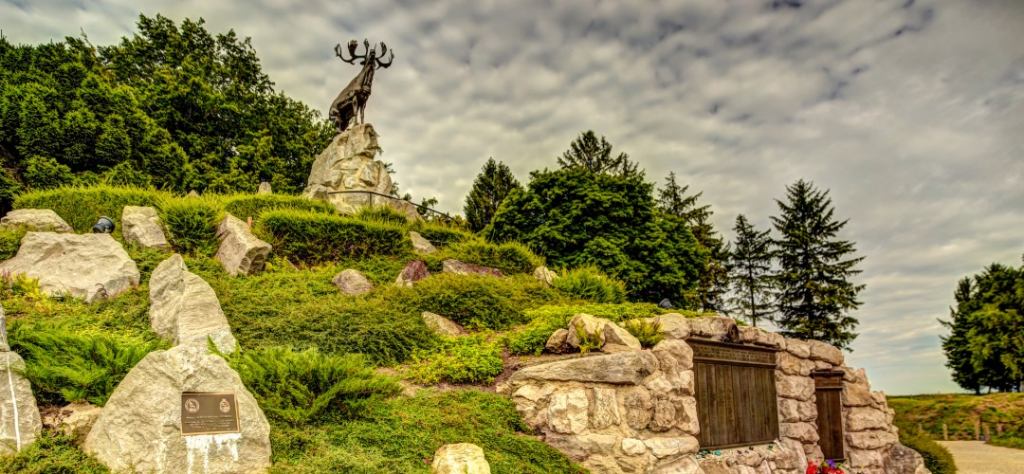
Beaumont-Hamel Newfoundland Memorial At Beaumont-Hamel in France’s Somme region, the preserved battlefield remains virtually unchanged since that devastating morning of July 1, 1916, when the Royal Newfoundland Regiment suffered catastrophic losses—over 700 casualties in just 30 minutes. The site’s caribou monument, gazing eternally toward the trenches, marks where Newfoundlanders answered the call before Confederation, their sacrifice becoming part of our shared Canadian heritage. The preserved trench systems, shell holes, and barbed wire create a haunting landscape that allows visitors to comprehend the impossible conditions these brave soldiers faced.
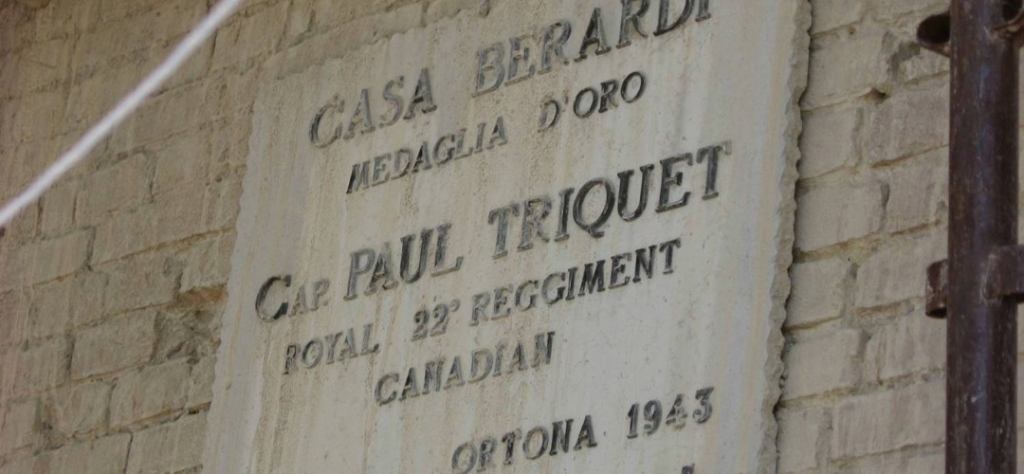
Ortona, Italy The Italian port town of Ortona bears witness to “Canada’s Stalingrad,” where Canadian forces engaged in brutal house-to-house combat during Christmas 1943, ultimately liberating the city in one of our military’s fiercest battles. Today, the Moro River Canadian War Cemetery and Ortona’s Peace Garden honour the 1,375 Canadians who died in this month-long battle, while the town itself maintains deep bonds with Canada through monuments and street names that echo with Canadian memory. Walking Ortona’s narrow streets, visitors can still trace the path of urban warfare while experiencing the profound gratitude of locals who remember their liberation.
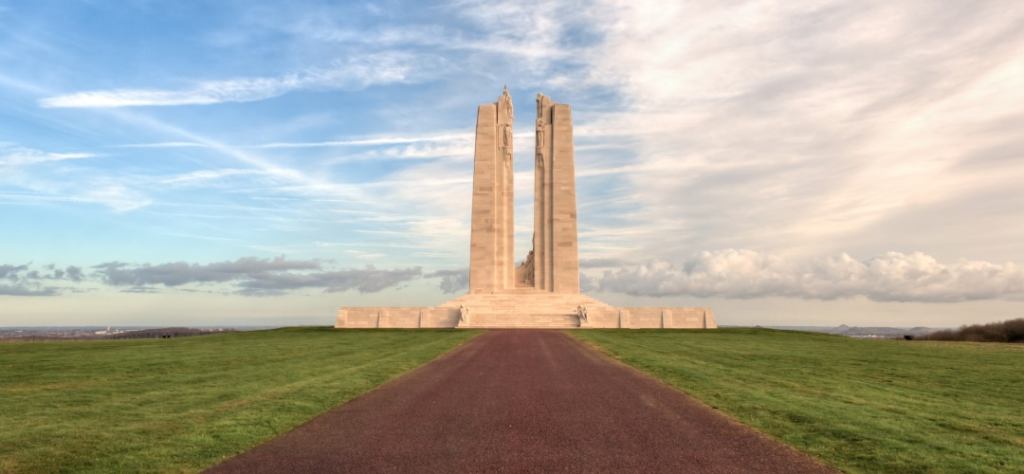
Vimy Ridge Memorial, France Perhaps no monument better captures Canada’s emergence as a nation than the towering twin pylons of Vimy Ridge, where on April 9, 1917, all four Canadian divisions fought together for the first time. The memorial’s massive limestone columns rise from the Douai Plain, inscribed with 11,285 names of Canadians who died in France with no known grave. Walking through the preserved trenches and tunnels, visitors experience the ingenuity of Canadian engineers who carved elaborate underground networks still visible today. The site’s Canadian student guides, a tradition since the 1990s, bring personal stories to life while maintaining the meticulously preserved battlefield where Canada proved itself on the world stage. Learn more about our Canadian Battlefield Tours.
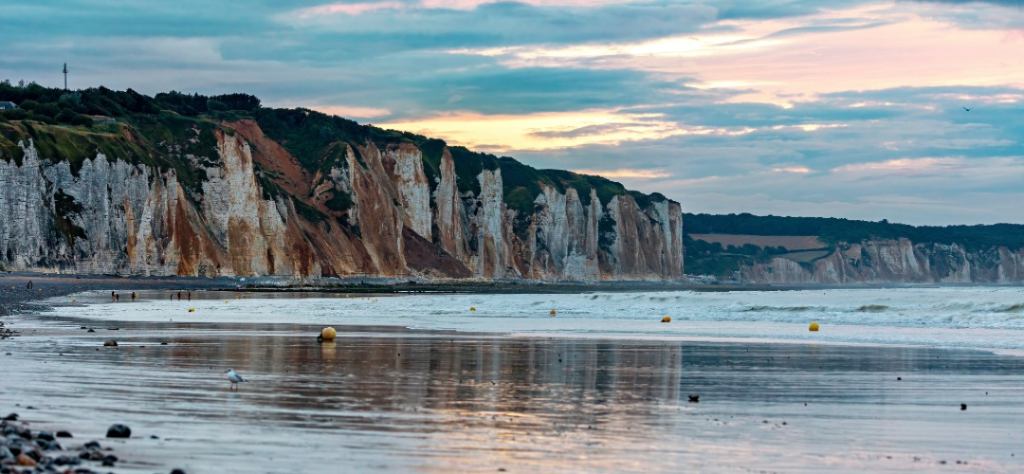
Dieppe Canadian War Cemetery, France The Dieppe Canadian War Cemetery serves as a solemn reminder of August 19, 1942, when Canadian forces bore the brunt of the devastating Dieppe Raid—a dark day that saw 907 Canadians killed in just nine hours. The cemetery’s headstones, many bearing the maple leaf, tell stories of sacrifice from regiments across Canada, particularly the Royal Hamilton Light Infantry and Essex Scottish. The nearby memorial on the seafront promenade overlooks the very beaches where Canadians faced impossible odds, their sacrifice ultimately providing crucial lessons that would save countless lives on D-Day two years later.
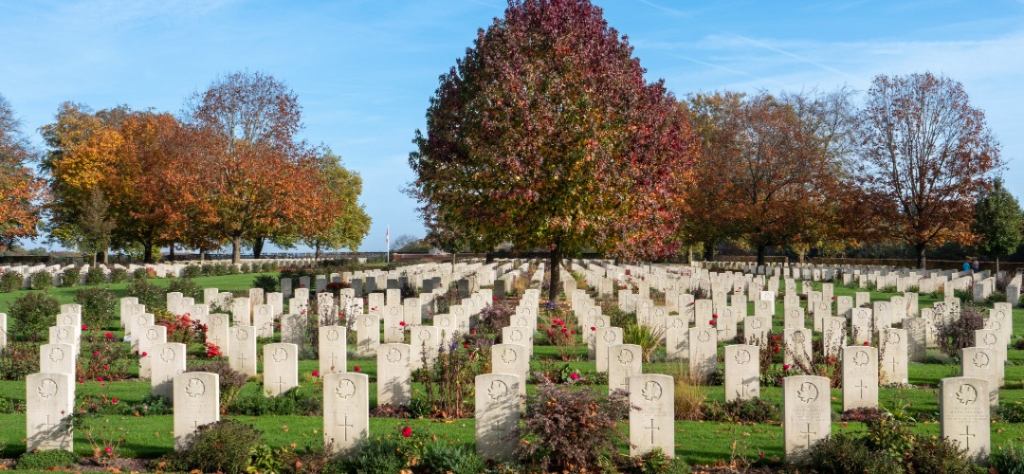
Groesbeek Canadian War Cemetery, Netherlands In the Netherlands’ largest Commonwealth cemetery, over 2,600 Canadians rest among the rolling hills near the German border, most having died during the Rhine offensive and the liberation of Holland in 1944-45. The cemetery’s Stone of Remembrance overlooks row upon row of maple leaf headstones, a testament to Canada’s crucial role in liberating the Dutch people from Nazi occupation. The profound gratitude of the Netherlands manifests here daily, with local schoolchildren adopting graves and Dutch families still laying flowers decades after liberation, maintaining bonds of remembrance that make this cemetery particularly moving for Canadian visitors.
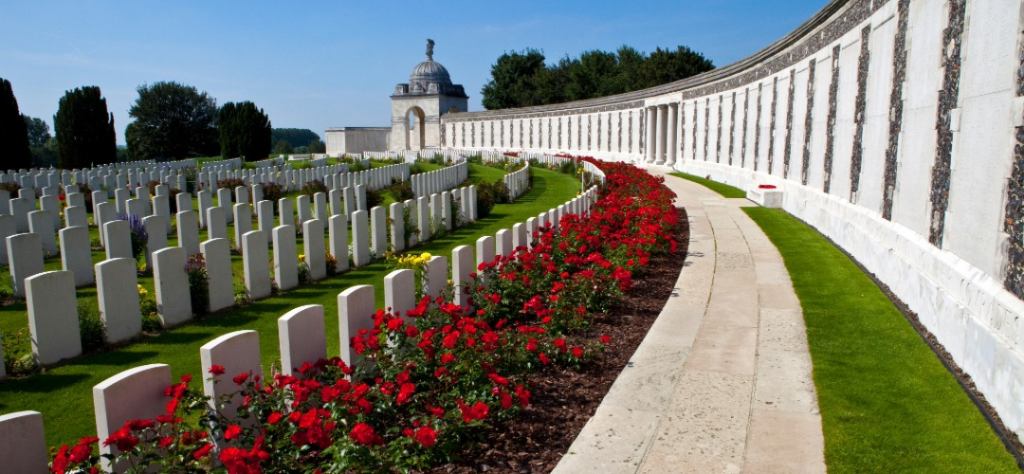
Tyne Cot Cemetery, Belgium Near Crest Farm – Passchendaele, a striking granite memorial marks where Canadian forces finally captured this Belgian village on November 6, 1917, ending one of the First World War’s bloodiest campaigns. The memorial’s location, chosen for its commanding view of the Ypres Salient, helps visitors understand the strategic importance of this muddy hell where 15,654 Canadians became casualties. The nearby Passchendaele Museum, housed in a château that served as a field hospital, preserves artefacts and recreated trenches that bring the battle’s horrific conditions into sharp focus.
Walking in Their Footsteps These memorials and cemeteries across Europe form a sacred geography of Canadian remembrance, each site preserving not just history but the individual stories of Canadians who never came home. From the chalky ridges of the Somme to the flooded fields of Holland, from Norman orchards to Italian mountainsides, these places invite us to walk where they walked, to stand where they stood, and to ensure their sacrifice remains forever part of our national consciousness.
As November 11th draws near, whether we stand before cenotaphs at home or visit these distant fields of remembrance, we honour the same promise: to remember. These European sites remind us that Canadian history extends far beyond our borders, written in the courage of those who travelled across oceans to defend freedom. Through Ellison Tours’ decades of leading Canadians to these sacred places, we’ve learned that each memorial visit becomes a personal act of remembrance, ensuring that their service and sacrifice continue to inspire future generations.
For those interested in walking these hallowed grounds, our specialized history tours and student educational programs offer carefully crafted itineraries that honour these sites with the respect and reflection they deserve.
Lest We Forget.